
Arise, My Soul, Arise
Before We Sing
with Brett Taylor, Worship Director
Before we sing “Arise, My Soul, Arise” together this Sunday, take a few minutes to listen and reflect on the story, truth, beauty, and goodness of what we are about to sing.
The Story
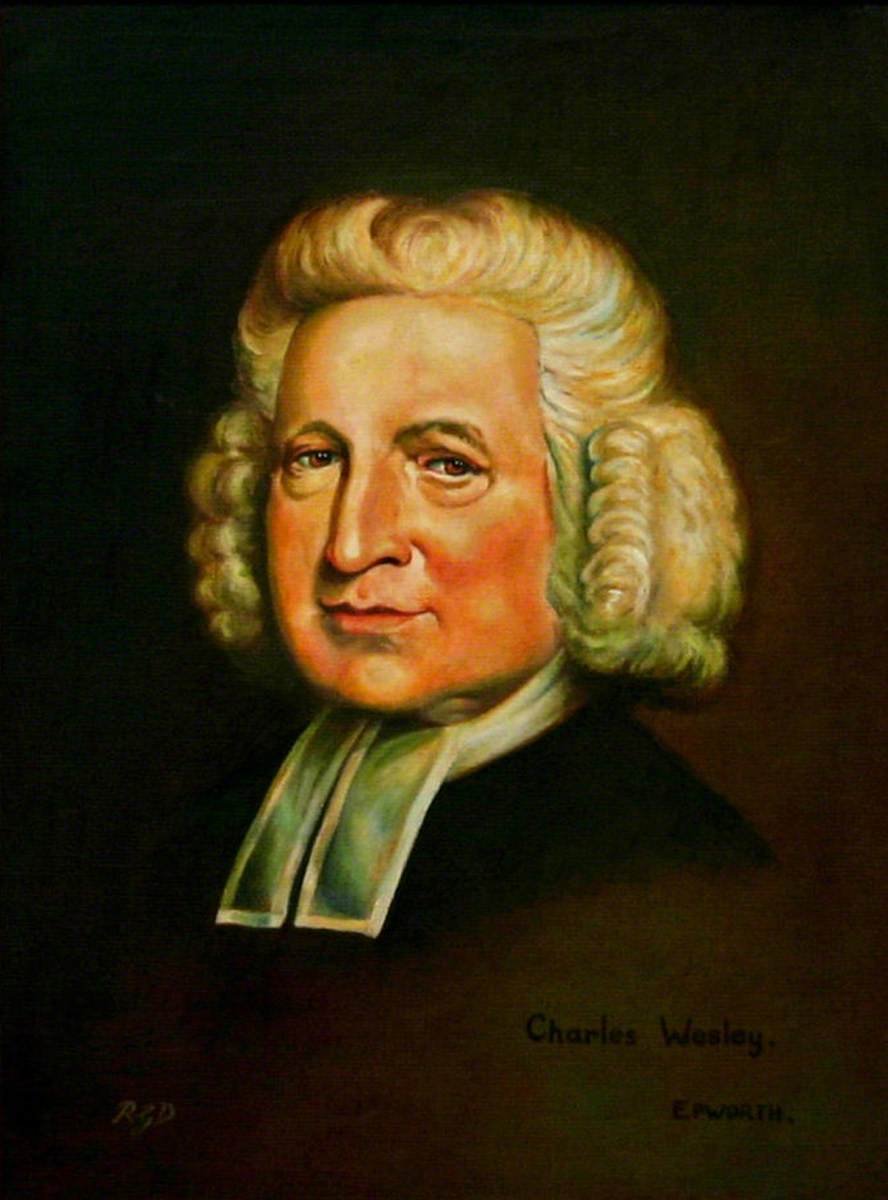
Charles Wesley wrote “Arise, My Soul, Arise” in 1742, a hymn that begins under the weight of “guilty fears” and refuses to stay there.
Verse by verse, Wesley keeps placing something greater before the singer: a living Savior, wounds that plead, blood that speaks, the Spirit’s assurance, and finally the freedom to call God “Abba, Father.”
More than 250 years later, Reformed University Fellowship’s Kevin Twit gave Wesley’s words a new tune at a Sonship conference led by Jack Miller. It became the first of Twit’s hymn retunes that would eventually become part of Indelible Grace, helping return forgotten hymn texts to a new generation. There’s something wonderfully fitting that it began with one old word: Arise.
The Truth
The great announcement underneath this hymn is that Jesus’ work for us did not end when he rose from the grave. Hebrews 7:25 says the risen Christ “always lives to make intercession” for us. Intercession means that right now Jesus stands for us before the Father, representing us and bringing us near. That’s why Hebrews 4:16 gives fearful people an almost audacious invitation: draw near with confidence. Our confidence isn’t something we work up; it rests in someone who is already there on our behalf.
The Beauty
Wesley makes invisible grace almost visible. Five wounds, the hands, feet, and side of Jesus, plead. His blood speaks. Our names are written on his hands, echoing Isaiah 49. Then the Spirit answers.
And watch the movement: guilty fear → Christ’s wounds → the Spirit’s assurance → “Abba, Father.”
Abba is the language of a child who knows where he belongs. The hymn begins with a soul afraid to draw near and ends with that same soul coming home to God and calling him father.
The Goodness
And remarkably, Wesley sings all of this to his own soul: “Arise, my soul, arise.” The Psalms do it too: “Why are you cast down, O my soul? Hope in God.” Our souls are always talking, narrating our failures, rehearsing our fears, predicting what might go wrong, telling us who we are. Worship gives us something better than simply listening to that voice: it teaches us how to answer it.
We put words in our mouths that may be truer than what we feel in the moment and sing them until our hearts remember what our minds so easily forget. We come to worship with souls that have been talking to us all week; we leave having learned what to say back.
The Invitation
What has your soul been telling you this week? Be afraid. You’ve failed. You’re alone. You haven’t done enough.
This Sunday, speak back.
Christ lives. Christ intercedes. His blood speaks. The Father hears. The Spirit assures.
Soul, get up!